In the field
Standing Stones
Britain has thousands of standing stones, from lone pillars in sheep fields to great circles on the moors. Most were raised in the late Neolithic and Bronze Age, roughly four to five thousand years ago.
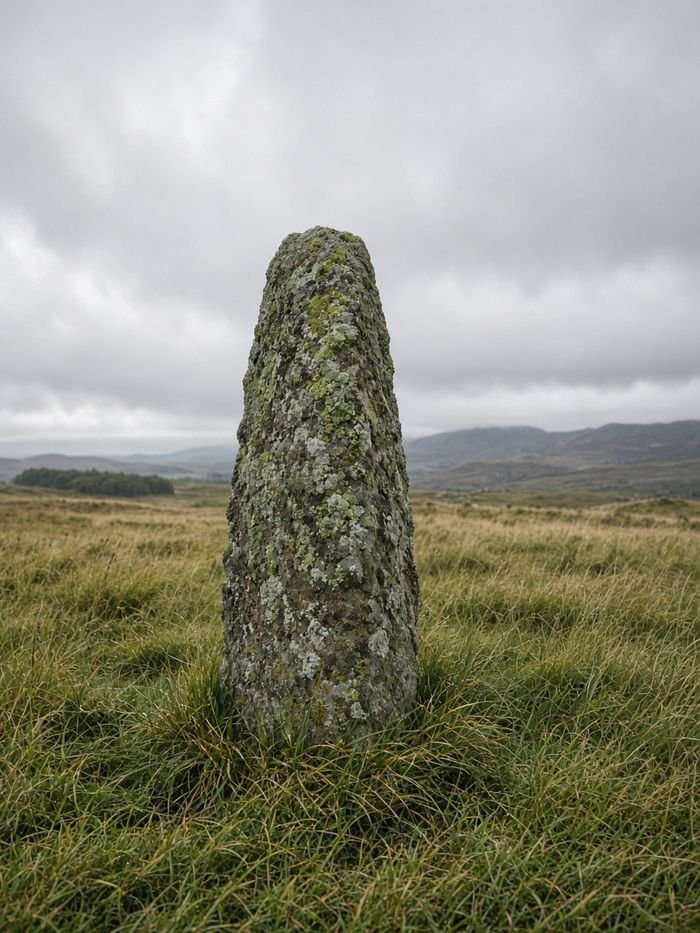
Single stones
Lone standing stones may have marked boundaries, routes, burials or meeting places. Many have local names and legends, often involving giants, dancers turned to stone or the devil.
Rows and avenues
Lines of smaller stones, sometimes running for hundreds of metres, are common on Dartmoor and in parts of Scotland. They often lead towards a cairn or a circle.
Circles
Stone circles range from a few metres across to vast rings. Some seem aligned with sunrise or sunset at the solstices; many others show no clear alignment at all.
Looking closely
Notice the shape of each stone, whether tall and thin or broad and low, and look for cup marks or carvings on flat faces. Low winter sun is the best light for spotting worn details.
Visiting
Many stones sit on private farmland reached by public footpaths. Follow the path, leave gates as you find them and never climb on the stones.
Access rules differ between England, Wales and Scotland. Check local guidance before you set out.